


How Domestic Violence Laws Protect Women Even When the Abuser Lives Overseas
HomeBlogHow Domestic Violence Laws Protect Women Even When the Abuser Lives Overseas Global mobility has transformed Indian families. Today, thousands […]

HomeBlogHow Domestic Violence Laws Protect Women Even When the Abuser Lives Overseas Global mobility has transformed Indian families. Today, thousands […]
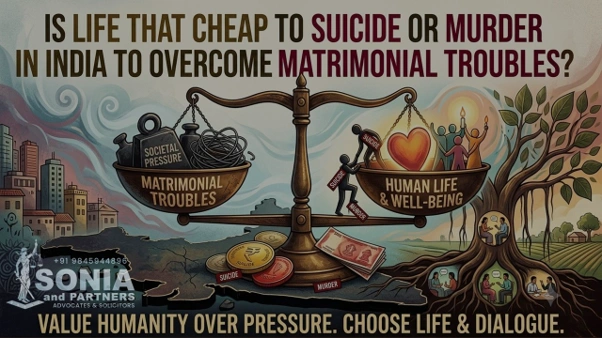
When Matrimonial Disputes Become National Tragedies… Every few months, India is confronted with another heartbreaking headline. A young professional dies by suicide while battling years of matrimonial litigation. A newly married woman is found dead under suspicious circumstances. A husband is murdered amidst an unhappy marriage. A wife loses her life after prolonged allegations of domestic abuse.

When several individuals suffer financial losses because of the same debtor, company, builder, promoter, supplier, or business entity, filing separate lawsuits may not always be the most efficient legal strategy. In many situations, group civil litigation or a joint money recovery suit allows multiple plaintiffs with common legal issues to pursue their claims together.

Maintenance litigation under Section 125 of the Code of Criminal Procedure, 1973 (“CrPC”) is intended to provide speedy financial relief to wives, children, and parents who are unable to maintain themselves. However, obtaining a maintenance order is often only half the battle. The real challenge begins when the opposite party refuses to comply.
Over the two decades I’ve spent navigating the complexities of child custody, I’ve seen a significant shift in the landscape. Now more than ever, cross-border disputes particularly those involving the painful reality of wrongful removal or retention are being fought in our High Courts.

Executive Summary: High-profile individuals – from social media influencers and film stars to NRI business leaders – increasingly find family law disputes playing out in public. Recent landmark cases illustrate the unique legal and commercial risks they face. Courts are scrutinizing issues like maintenance, divorce formalities, jurisdiction of foreign decrees, misuse of criminal provisions (e.g. 498A IPC), and privacy of marital communications.

Executive Summary: India’s marriage laws guarantee maintenance and fair support for spouses (e.g. Section 125 CrPC, HMA S.24/25), which courts treat as statutory rights that cannot be bargained away. Yet high-net-worth (HNW) couples often pursue private, confidential resolutions to avoid publicity and protect assets – using mediation, private settlements (with NDAs), family trusts, and offshore structures.
With increasing global mobility, matrimonial disputes frequently span jurisdictions. NRIs, OCI card holders, expatriates, and foreign nationals often face proceedings in India while simultaneously navigating foreign legal systems.
A consistent pattern observed in such disputes is the strategic use of litigation as leverage—through forum shopping, multiplicity of proceedings, and coercive financial demands.