 11:00 – 19:00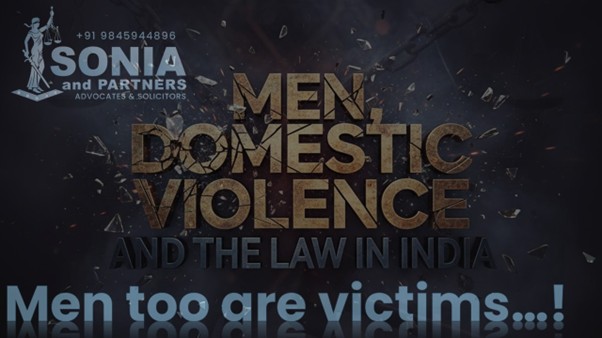
Introduction:
Domestic violence and cruelty laws in India were created to protect victims of abuse and discrimination. But in practice, these laws are often applied in a gender-specific way, focusing almost exclusively on women as victims. As a lawyer in Bangalore who has handled multiple cases of false allegations against men, I want to explore — from a legal and social viewpoint — what this means for men, families and justice in India. Let’s unpack these topics in clear, practical Q&A form.
1. Are Men Victims of Domestic Violence in India?
Yes — beyond stereotypes, men can and do experience domestic abuse including physical, emotional, psychological and economic abuse. Surveys and social reports have indicated that men also face abuse at home — even if they are less likely to report it due to social stigma and cultural expectations of strength.
However, the current legal framework in India does not explicitly recognise male victims under the primary domestic violence laws.
2. What Do India’s Domestic Violence Laws Say About Men?
The Protection of Women from Domestic Violence Act, 2005 (PWDVA) — India’s central domestic violence statute — defines “victim” in a way that legally focuses on women and female family members. Delhi High Court has affirmed that under Section 2(a), men (including husbands) are not treated as beneficiaries of protection under this law.
This means:
- Men cannot file cases under this law if they are abused.
- If a woman alleges violence, the law’s protections and remedies apply to her.
- A man cannot invoke the PWDVA against his partner, even if he faces abuse.
So the law, as written today, is not gender neutral — a key reason why the phrase “is domestic violence law gender neutral India” often appears in search.
3. What About False Domestic Violence & Dowry Harassment Cases (498A)?
India’s shell section related to domestic cruelty and dowry harassment under the Indian Penal Code — historically Section 498A, now reclassified under Sections 85 and 86 of the Bharatiya Nyaya Sanhita — is a powerful legal tool.
This law aims to protect women against cruelty — but it has also been occasionally misused in false allegations, leading to serious consequences for men and their families, including arrests, job losses, and social stigma.
In my experience, false 498A cases — which often form the basis of domestic violence allegations — disrupt livelihoods and reputations, even if they are ultimately dismissed.
4. If Domestic Violence Law Doesn’t Protect Men, What Legal Options Do They Have?
Men facing abuse still have legal remedies — but they must be pursued under general criminal laws or family law provisions. Examples include:
- Criminal Remedies
- Sections addressing assault, intimidation, and criminal threats under the IPC if there is physical abuse.
- FIRs can be lodged with police under relevant Indian Penal Code sections for specific violent acts.
- Family Law Remedies
- Men can file for divorce on grounds such as cruelty under the Hindu Marriage Act or similar personal laws.
- Alimony, custody, and separation concerns are available under applicable family statutes.
- Counter-Complaints & Self-Defence
- In cases of false allegations, counter-complaints can be filed to assert innocence and expose abusive conduct by the accuser.
- Legal strategy must be evidence-based, meticulous, and supported by expert counsel.
This complex legal landscape is why searches like “legal rights of men domestic abuse” and “men victims of domestic violence India legal protection” are common.
5. Why Isn’t There a Gender-Neutral Domestic Violence Law in India?
There are several reasons:
- The 2005 Act was crafted to address deeply entrenched historical gender inequality and protect women from systemic violence.
- Policymakers and the judiciary have maintained that protecting women does not inherently violate constitutional equality, even if men lack similar statutory protections.
- Reform advocates argue that gender-neutral protections are necessary so that domestic abuse is addressed fairly for all victims, regardless of gender.
The absence of explicit protection for men is both a legal and social issue, tied to tradition, perception, and policy priorities.
6. How Do Courts View Misuse vs. Purpose of Domestic Violence & Dowry Laws?
The Supreme Court acknowledged that misuse of laws like 498A occurs, but held that such misuse is not in itself a reason to dilute or strike down the law. Its reasoning emphasizes that these laws continue to serve a critical role in protecting genuine victims.
As a practicing advocate, I see this as a legal balance between:
- Protecting vulnerable individuals (primarily women),
- Preventing misuse,
- And preserving due process for all parties.
7. What Social Barriers Prevent Men from Reporting Abuse?
Men often face:
- Shame and stigma in reporting abuse.
- cultural expectation that men should be strong and unemotional.
- Fear of not being believed or taken seriously by law enforcement.
These barriers compound the legal gaps — meaning real experiences of abused men can go unheard.
8. What Reforms Can Strengthen Justice for All?
To create a fair and effective domestic abuse framework, India should consider:
- Gender-Neutral Domestic Violence Protections: Laws should protect any victim of domestic abuse, based on conduct — not gender.
- Stronger Checks Against False Allegations: Mechanisms to penalize malicious or fabricated complaints are essential.
- Better Legal Awareness & Support Systems: From police training to social services, systems should be inclusive of all abused persons’ rights.
- Judicial & Legislative Dialogue: Courts and Parliament must work towards laws that ensure equality and dignity under Article 14 of the Constitution.
Summary: Justice Must Be Balanced and Inclusive
India’s domestic violence laws have noble intentions — but they leave a gap in protection for men, particularly those who face abuse or false allegations.
A more equitable legal system would:
- Recognise victims of all genders.
- Safeguard due process for the accused.
- Provide meaningful legal remedies and social support.
This is not about taking away rights from women — it is about expanding justice for every abused person in India.
If you are facing marital distress and are unsure about the legal route, your rights, or the correct procedure to be followed under personal and constitutional law, it is important to seek proper legal guidance before taking any step. At Sonia & Partners, we regularly advise and represent clients in sensitive family matters with discretion, clarity, and a rights-based approach. You may reach us directly at +91 9845944896 or write to us at mail@lawyersonia.com for a confidential consultation.
